Parking, permits and delays for Ardleigh Green removals
Posted on 26/06/2026

Parking, permits and delays for Ardleigh Green removals: a practical local guide
Moving day has a habit of exposing every tiny access problem at once. The van arrives, someone is carrying a mattress, a neighbour has parked inches from your gate, and suddenly the whole schedule feels a bit fragile. That is exactly why Parking, permits and delays for Ardleigh Green removals deserves proper planning, not a quick guess on the morning itself. In Ardleigh Green, where streets can be busy, driveways may be tight, and flats often involve awkward entrances or shared access, a small parking mistake can ripple through the entire move.
This guide breaks down what actually causes delays, how parking and permits fit into a smooth removal day, and what you can do to stay ahead of the usual headaches. If you want fewer surprises, less lifting under pressure, and a calmer handover at both ends, you are in the right place.
- Why Parking, permits and delays for Ardleigh Green removals matters
- How parking, permits and delays work on moving day
- Key benefits and practical advantages
- Who this is for and when it makes sense
- Step-by-step guidance
- Expert tips for better results
- Common mistakes to avoid
- Tools, resources and recommendations
- Law, compliance, standards and best practice
- Options, methods and comparison
- Case study or real-world example
- Practical checklist
- Conclusion
- Frequently asked questions
Why Parking, permits and delays for Ardleigh Green removals Matters
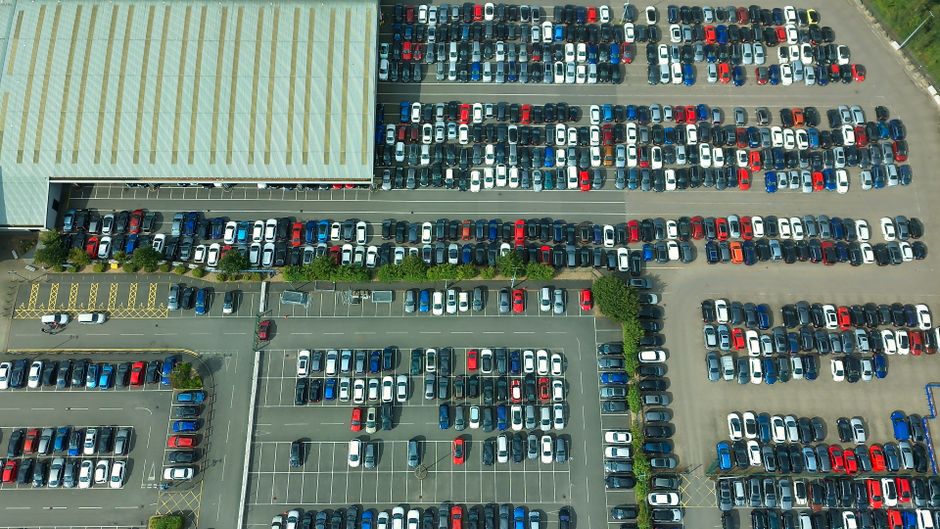
Parking is not just a nuisance on moving day; it shapes the pace, safety, and cost of the whole job. If the removal van has to stop far from the front door, every box, chair, and appliance has to travel further. That means more lifting, more time, and a higher chance of strain or damage. Simple, really.
In Ardleigh Green, the issue tends to be a blend of local road layout, on-street parking pressure, school run traffic, and the practical reality that many homes do not have generous loading space. A driveway might fit one car, but not a larger van. A quiet side street in the morning can be completely different by lunchtime. And if you are moving from a flat, there may be no direct kerbside access at all.
Delays matter because removals are rarely isolated tasks. They affect cleaners, landlords, estate agents, lift bookings, storage handovers, utility appointments, and your own energy levels. A late start can mean a rushed finish, and a rushed finish is where accidents sneak in. To be fair, most moving stress comes from a few avoidable access issues that could have been spotted the day before.
If you are already planning packing and sorting, it can help to read these pre-move declutter tactics and smart packing ideas for a smoother handover. Less clutter usually means fewer trips, and fewer trips usually means fewer delays. Not always, but often enough to matter.
How Parking, permits and delays for Ardleigh Green removals Works
Think of the moving day access plan as a chain. If one link is weak, the whole thing slows down. The chain usually includes where the van can legally stop, how close it can get to the property, whether any loading restriction applies, and whether a permit or suspension is needed. The final piece is timing: even a perfectly parked van can get blocked by rush-hour traffic or a neighbour returning home at the wrong moment.
For many moves, the practical aim is simple: get the van as close as possible to the entrance, keep the route clear, and avoid any parking penalties or complaints. If you are moving from a house, a front drive or curbside loading bay may be enough. For flats, you may need to account for stairs, lifts, internal corridors, and narrow entry points too. That is where a well-planned access strategy saves real time.
Permits come into play when parking on a restricted street, bay, or controlled area is not allowed without prior permission. In some cases, the moving team may need to arrange temporary access or work around parking rules. The details can vary depending on the location and the exact street conditions, so it is always wise to check early rather than assume you can "just stop outside for ten minutes". That ten minutes has a funny way of turning into an hour.
Delays typically come from three things: waiting for parking to become available, getting caught behind traffic or a blocked route, and needing extra time to move items between the property and the van. A good mover tries to reduce all three. A great mover plans for them.
Key Benefits and Practical Advantages
Getting parking and permit planning right is not about being overcautious. It is about removing friction. That has very real benefits for homeowners, tenants, landlords, and business clients alike.
- Faster loading and unloading: the closer the van is, the fewer steps each item travels.
- Lower risk of damage: shorter carrying distances mean fewer opportunities to bump walls, doors, or furniture.
- Less physical strain: especially important for awkward items or upper-floor flats.
- Better time control: fewer unknowns makes the move easier to schedule around keys, handovers, and travel.
- Reduced stress: this one sounds soft, but it is huge. A move feels much calmer when access is already sorted.
There is also a practical money angle. Parking problems often create hidden costs: extra labour time, parking charges, or delays that push the job into another time block. Even if the fee itself is modest, the knock-on effect can be annoying. Nobody wants a long day to become longer for no good reason.
For awkward or bulky pieces, it is worth thinking about access before the day itself. A sofa, wardrobe, freezer, or piano may need more room than expected. If that rings a bell, you may find it useful to look at bulky item removal planning for wardrobes and appliances and why piano moves need extra preparation.
Who This Is For and When It Makes Sense
This topic matters to more people than you might think. It is not only for large family house moves. In fact, some of the most awkward parking problems happen on smaller jobs where people assume the move will be quick.
- Homeowners moving house: especially if the property sits on a busy residential road or near a junction.
- Flat movers: where access is constrained by stairs, shared entrances, or narrow streets.
- Students: often moving on tight timelines with limited access and lots of bags, boxes, and last-minute changes.
- Office relocations: where parking needs to work around neighbours, staff, and business hours.
- Anyone using a man and van or larger removal vehicle: because the size of the vehicle changes the parking equation.
It makes sense whenever you suspect access could be tight, the road is regularly busy, or the collection and delivery points are not straightforward. If you are moving near a school run route, a parade of shops, or a junction that gets clogged at peak times, it is worth treating parking as part of the moving plan rather than an afterthought.
And if your move needs a quicker turnaround, you may also want to compare it with same-day man and van options or check the best times to book in RM11 so you are not trying to fight traffic at the worst possible hour.
Step-by-Step Guidance
Here is the part that usually makes the biggest difference. Do these steps properly, and you cut a surprising amount of chaos out of the day.
- Assess access at both addresses. Walk from the van stopping point to the door. Note gates, steps, kerbs, narrow turns, low branches, bollards, and anything that would slow a trolley or a pair of hands carrying a heavy item.
- Measure the realistic loading distance. "Right outside" sounds great, but if the van has to sit across the road, or ten metres from the entrance, that changes the plan.
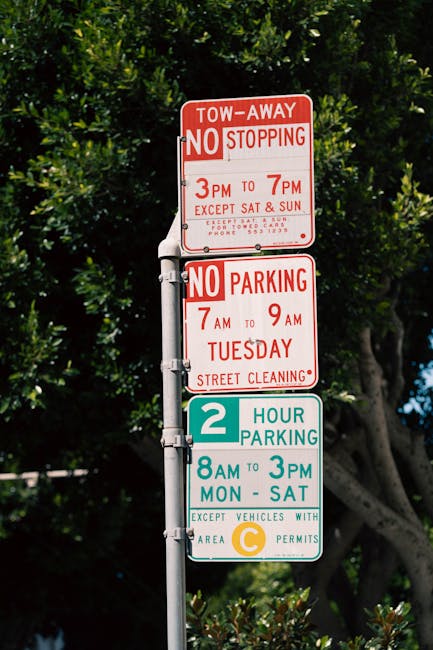
- Check for restrictions early. Look for resident-only parking, loading-only bays, double yellow lines, timed restrictions, and any obvious street signs. If permit needs are involved, leave room for processing time.
- Choose the best moving window. Mid-morning often works better than the school run or late-afternoon congestion, though every road is different.
- Reserve space where appropriate. If a driveway, bay, or access point is likely to be blocked, arrange for a car to be moved or a space to be kept clear in advance.
- Plan the load order. Put the heaviest or largest items first if the van position is limited. That avoids repeated reshuffling later.
- Build in a delay buffer. It sounds dull, but it helps. Give yourself extra time for parking search, key collection, and that one item that somehow takes longer than expected.
- Keep essentials separate. Documents, keys, kettle, phone charger, and a small bag of immediate-use items should not be buried under half the kitchen.
If you are moving large items through awkward routes, a quick read of staircase and narrow entry solutions for RM11 flats can save you from a very real "how are we getting this around that?" moment. And yes, that moment happens more often than anyone likes to admit.
Expert Tips for Better Results
After enough removals, a pattern starts to show. The jobs that go smoothly are rarely the lucky ones. They are the ones where someone thought through access before the van turned up.
1. Treat the approach route like part of the move
Do not only look at the parking spot itself. Look at the route from van to door. A narrow pavement, uneven paving slab, or awkward corner can slow a team down as much as a parking issue.
2. Use realistic timing, not hopeful timing
Many moves start with optimism and then spend twenty minutes waiting for a car to move. If you know the road is active at certain times, plan around that rather than hoping for the best. Hope is lovely. It is not a parking strategy.
3. Make one person responsible for access decisions
Too many cooks can make moving day messy. If one person is checking parking, another is speaking to neighbours, and a third is moving boxes, details get missed. Assign one clear person to handle access queries and keep the plan straight.
4. Prepare neighbours and building contacts in advance
A short heads-up can help with shared drives, communal areas, and loading space. You do not need a formal speech. Just enough notice to prevent confusion or an awkward block on the day.
5. Keep a fallback option
Sometimes the ideal space is not available. Have a second-best position in mind. That might mean a side street, a temporary stop, or a slightly longer carry route. The important thing is not to improvise from zero while someone is waiting with a wardrobe half out the door.
Common Mistakes to Avoid
Most moving delays come from a few repeat errors. The good news is they are easy enough to avoid once you know what they look like.
- Assuming parking will sort itself out: it often does not.
- Ignoring permit requirements: this can create avoidable stress, fines, or forced repositioning.
- Underestimating van size: a vehicle that seems manageable online can feel much larger on a narrow street.
- Forgetting temporary obstacles: bins, bins day, recycling boxes, builders, deliveries, and neighbour cars all affect access.
- Planning around the ideal traffic pattern, not the real one: a perfectly neat schedule can collapse if you ignore local congestion.
- Leaving large furniture until the end: this is a classic mistake, and it makes the last stage feel heavier and more rushed than it needs to be.
Another easy one: not checking what is happening at the destination. People will often spend a lot of time on the departure side and very little on the arrival side. Then they arrive at the new place and discover the access is actually worse. Bit of a facepalm moment, honestly.
If you are still in the sorting stage, the complete checklist for a perfectly cleaned home can help you leave the old property properly prepared, which often matters when timing is tight and keys need to be handed over.
Tools, Resources and Recommendations
You do not need specialist kit to plan access well, but a few practical tools make a real difference.
- Phone camera: take photos of the street, entrance, kerb, and any obstruction points.
- Tape measure: useful for checking gaps, stair widths, and the size of large furniture.
- Notebook or notes app: keep permit deadlines, access notes, and contact numbers together.
- Labels and colour tags: help identify items that should go first if space is tight.
- Protective wrapping: helpful when items need to pass close to walls or railings.
For a smoother overall move, it is worth combining access planning with smart packing and a bit of decluttering. That way the vehicle is used efficiently and you avoid loading things you no longer need. If you want a practical refresher, see smart packing solutions for a seamless transition and declutter tactics that speed up the move.
For particularly awkward loads, the right moving technique matters as much as the parking position. A useful companion read is the principles of kinetic lifting and, if you are handling things yourself, how to lift heavy items without help. No heroics, please.
If you want to understand how a removal team might structure the job, the following pages are also useful for context: removals in Ardleigh Green, man with a van in Ardleigh Green, house removals support, and flat removals guidance.
Law, Compliance, Standards, or Best Practice
Parking and permits are not just practical questions; they can also touch local parking rules, access restrictions, and general duty of care. The exact requirements will depend on the road, the property type, and local authority practice. Because of that, it is best to treat this area carefully rather than assume there is one universal rule.
Good practice normally includes checking whether a permit or authorisation is needed, making sure the vehicle does not block emergency access, keeping pavements and driveways safe for pedestrians, and avoiding unnecessary obstruction. If there is a risk of congestion or limited loading space, it is wise to plan in advance rather than waiting to see what happens on the day.
From a safety point of view, access planning also supports safer lifting. The shorter and clearer the route, the fewer awkward twists and sudden stops. That is one reason many experienced movers pay close attention to parking before they even open the van doors. It is not bureaucracy for the sake of it. It is part of managing risk.
For reassurance around handling and care, you may also want to review health and safety policy guidance and insurance and safety information. They are not a substitute for checking local conditions, but they do show the kind of standards a professional moving service should take seriously.
Options, Methods, or Comparison Table
There is more than one way to approach parking on moving day. Which one is best depends on the property, the road, and how much furniture you are moving.
| Approach | Best for | Advantages | Trade-offs |
|---|---|---|---|
| Kerbside loading | Quiet streets, short moves, straightforward access | Fast, simple, low carrying distance | May be impossible on busy roads or restricted bays |
| Permit-supported parking | Controlled streets or managed access areas | More reliable positioning, less last-minute searching | Requires advance planning and may not suit every schedule |
| Nearby side-street parking | Areas with limited direct access | Useful fallback when the front of the property is blocked | Longer carry distance and more physical effort |
| Staggered loading | Flats, narrow roads, or shared access | Helps when access changes throughout the day | Can extend the total move time |
| Split-load approach | Large moves with storage, office work, or complex access | Reduces pressure on one loading point | Needs more coordination and careful item tracking |
For some customers, a split-load or storage-led move is the cleanest solution. If that sounds familiar, you may find storage options in Ardleigh Green useful, especially when access at one end is too tight for a full same-day handover.
Case Study or Real-World Example
Here is a realistic scenario. A two-bedroom flat move in Ardleigh Green is booked for a Friday morning. The property sits on a road where parking is usually available, but not guaranteed, and the building entrance is set back a little from the street. On paper, it looks easy enough.
The problem shows up the night before: a neighbour's car is left outside the best loading point, and a delivery van is expected in the area around the same time. Rather than leave it to chance, the moving team adjusts the plan. They identify a second parking option, prepare the larger furniture first, and keep the lighter boxes grouped near the door. The van arrives, the alternative space is used, and although the carry distance is a little longer than hoped, the move still stays on schedule.
The key lesson? The move was not "lucky". It worked because the team had a backup route and had already thought through likely delays. That is usually the real difference between a noisy, stressful move and one that feels organised even when the road is a bit messy.
Another common real-world version is a student move with a very short turnaround. In that case, the challenge is less about volume and more about timing. One blocked parking space can still cause a late handback, so even small moves benefit from a clear plan.
Practical Checklist
Use this before moving day if you want to stay ahead of parking issues and delays.
- Confirm both addresses and note the exact entrance points.
- Check whether the road has restrictions, resident parking, or loading limitations.
- Look for permit needs or timed parking rules well in advance.
- Take photos of the access route, including any tight corners or steps.
- Measure large items and compare them with doorways, stairs, and van space.
- Agree who will handle access decisions on the day.
- Warn neighbours or building contacts if shared space is involved.
- Plan a second parking option in case the first one is blocked.
- Keep essentials and paperwork separate from packed boxes.
- Build in a buffer for traffic, lift delays, or loading hiccups.
- Prepare bulky or fragile items first so they do not become a last-minute scramble.
- Have a fallback plan for storage if access at one end is unexpectedly limited.
If your move involves delicate furniture, sofas, mattresses, or appliances, the following can help you prepare the items themselves, not just the parking: sofa storage advice, bed and mattress moving ideas, and freezer storage essentials.
Conclusion
Parking, permits and delays are not glamorous parts of a move, but they are often the parts that decide whether the day feels controlled or chaotic. In Ardleigh Green, where access can vary block by block, it pays to think ahead, plan a backup, and treat the route to the van as carefully as the packing itself.
The good news is that most delays are avoidable. A few small checks, a realistic time window, and a sensible parking plan can save a lot of lifting, waiting, and low-level frustration. And once that first load is on the van, the whole job tends to feel lighter. Quite literally, sometimes.
If you want a move that starts on the right foot, keep access planning close to the top of your checklist and leave yourself some breathing room. That alone can change the whole mood of the day.
Get a free quote today and see how much you can save.


