Bulky item removals in Ardleigh Green: wardrobes & appliances
Posted on 02/06/2026
If you have ever stared at a wardrobe wedged in a hallway, or a fridge-freezer that seems to have grown roots in the kitchen, you already know the problem. Bulky item removals in Ardleigh Green: wardrobes & appliances is not just about "getting it out somehow". It is about moving awkward, heavy, and often fragile items safely, without damaging walls, floors, doors, or your back. Truth be told, the last bit matters more than people admit.
This guide explains how bulky item removals work in practical terms, what to expect, when it makes sense to use a local removal team, and how to avoid the usual headaches. If you are planning a move, clearing a property, replacing old appliances, or simply making space, you will find a clear route through it here.
For readers planning a wider move as well, it can help to look at a relaxed, stress-free moving approach and the site's broader removals support in Ardleigh Green so the heavy lifting fits into the bigger picture.
One quick note before we start: wardrobes and appliances are similar in one way, and different in several others. A wardrobe may look simple until you meet a tight stair turn. A washing machine may be smaller than a wardrobe, but plumbing, residual water, and weight distribution make it a different challenge altogether.
Why Bulky item removals in Ardleigh Green: wardrobes & appliances Matters
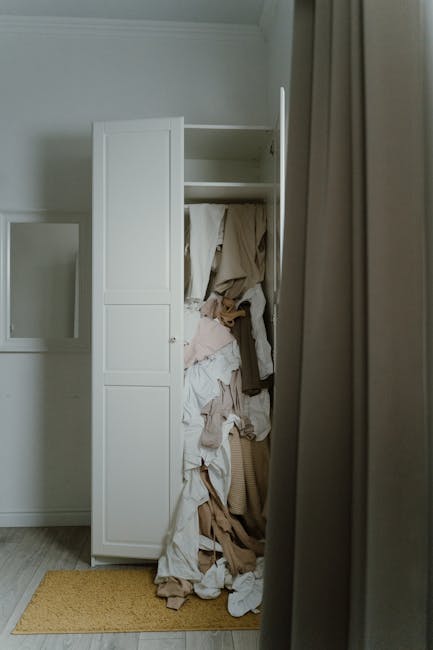
Bulky removals are a different category from everyday rubbish removal or box-by-box moving. Wardrobes, cookers, American-style fridges, tumble dryers, and similar items are heavy, awkward, and often difficult to grip safely. They can also be surprisingly delicate. Veneer can chip. Hinges can twist. Appliance doors can swing and scrape. One small misstep and suddenly the job has become a repair bill.
In Ardleigh Green, where homes can include narrow hallways, shared access, upstairs flats, side returns, and tight parking, the practical challenge is often the route rather than the item itself. A wardrobe may fit in the room it is leaving, but not through the stairwell without partial dismantling. An appliance may roll on a sack truck, but only if it is drained, secured, and moved with the right balance. Small details. Big difference.
That is why this kind of removal matters. It saves time, reduces physical risk, and lowers the chance of damaging your home or the item being removed. It also helps when you are coordinating a full move, a refurbishment, or a last-minute replacement. For a broader sense of how local moving days can be planned around access, routes, and timing, the local removals guide for Ardleigh Green Road is a useful companion read.
Key takeaway: Bulky item removals are not just "strong arms and a van". Safe handling, planning, and access checks are what prevent problems.
How Bulky item removals in Ardleigh Green: wardrobes & appliances Works
A good bulky item removal usually starts before anyone picks anything up. That sounds obvious, but it is where many jobs are won or lost. The process normally begins with a quick assessment: what the item is, where it sits, how it was assembled, whether it can be dismantled, and what the access looks like from room to vehicle.
Wardrobes often need emptying, shelf removal, and partial disassembly. Sliding doors may come off their track. Freestanding units may need the top section separated from the base. Flat-pack wardrobes are easier to dismantle than solid wood units, but the fastenings can still be stubborn. You may even find the old screw heads have rounded off years ago. Lovely, that.
Appliances need a different preparation flow. A fridge or freezer should be emptied, defrosted, and dried; a washing machine should be disconnected, drained, and the hoses secured; a cooker should be isolated appropriately and handled with care. If there is any doubt about live connections or gas-related work, it is best to pause and use a qualified person for that part. No shortcut is worth a hazard.
Once the item is ready, the removal team typically uses protective materials such as blankets, straps, gloves, dolly trucks, stair-climbing equipment, or a removal van with enough space to keep the item upright and secure. The vehicle matters too. An under-sized van creates multiple lifts, more handling, and a higher chance of knocks.
For awkward pieces, there is usually a point where the team must decide: move in one piece, reduce the item, or change the route. That judgement call is often the difference between a smooth job and a messy one. If you want a deeper look at the moving side of things, how to lift heavy items without help and the principles of kinetic lifting explain the physical side in plain English.
Key Benefits and Practical Advantages
The obvious benefit is simple: you do not have to wrestle with the item yourself. But the real value goes further than that.
- Less risk of injury: Heavy lifting is where backs, shoulders, and knees get hurt most easily. One poor twist while carrying a wardrobe down stairs can set you back for weeks.
- Lower chance of damage: Professional handling helps protect walls, skirting boards, flooring, appliance controls, and door frames.
- Better time management: What might take you half a day can often be handled in a far shorter slot with the right preparation.
- More sensible disposal: Items can be routed for reuse, recycling, or responsible disposal rather than dumped or left to gather dust in the garage.
- Cleaner exit from the property: That matters if you are selling, letting, or returning a rented home and want the place left in good order.
There is also a less obvious benefit: peace of mind. People often underestimate the mental load of dealing with bulky items. Once the wardrobe is gone and the appliance has been removed safely, the room suddenly feels bigger. You can hear your own footsteps again. It is a small thing, but it changes the mood of the whole place.
If you are decluttering before a move, it may also help to read practical pre-move declutter tactics and packing ideas for a smoother transition. Bulky item removals work best when they are part of a wider plan, not a one-off scramble.
Who This Is For and When It Makes Sense
Bulky item removals are useful for a lot more people than you might think. Homeowners, tenants, landlords, landlords' agents, office managers, and people dealing with inheritance or clearance all run into the same problem eventually: something large needs to leave, and it is not as simple as putting it at the kerb.
This service makes sense if you are:
- replacing an old wardrobe or appliance with a new one
- clearing a spare room, box room, loft, or storage-heavy flat
- preparing for a sale or end-of-tenancy inspection
- moving house and want to reduce the load on moving day
- dealing with a broken appliance that is too awkward to move alone
- managing a property refresh, refurb, or rental changeover
It is especially sensible when access is difficult. That includes narrow hallways, shared stairwells, top-floor flats, short parking windows, or a lack of lift access. In those settings, even a "medium-sized" item can become awkward fast. If you live in a flat or upper-floor property, you may also find the local flat removals support helpful, because access and carrying distance become just as important as the item itself.
And if the job has to happen quickly? Then same-day help can be the difference between stress and relief. See the site's same-day removals option in Ardleigh Green for urgent situations where timing is tight.
Step-by-Step Guidance
Here is the practical process we would suggest for wardrobes and appliances. Not glamorous, but effective.
- Identify the item properly. Measure height, width, depth, and check weight if you know it. If not, estimate conservatively. Oversized guesswork causes most planning errors.
- Check access all the way out. Measure doorways, hallway corners, stair turns, and any narrow external paths. A wardrobe that clears the room may still fail at the front door.
- Empty the item completely. Wardrobes should be cleared of clothing, shelves, and loose fittings. Appliances should be emptied of food, water, and detachable items.
- Prepare the item safely. For wardrobes, remove doors, drawers, mirrors, and shelf panels where possible. For appliances, disconnect properly and secure cables, hoses, and trays.
- Protect the route. Put down floor coverings if needed, open doors in advance, and remove anything that could snag or trip.
- Use the right lifting method. Keep the load close, avoid twisting, and use team lifting for awkward shapes. This is where safe solo lifting principles still help, even when you are not lifting alone.
- Load and secure properly. In the van, upright items should be stabilised so they do not slide, tip, or rattle against other pieces.
- Decide on disposal or reuse. Some items can be repurposed, some can be recycled, and some are simply too damaged to salvage. Make that decision before collection if you can.
A small but useful detail: keep screws, brackets, and fitting bags taped to the item or stored in a labelled pouch. Otherwise, you get to play the delightful game of "where did that tiny bag go?" later on.
Expert Tips for Better Results
There are a few habits that separate a tidy removal from a stressful one. None of them are complicated, which is probably why people forget them.
- Do the measuring twice. Seriously. One tape measure check in the afternoon can save a failed move at 8:30 the next morning.
- Keep appliances dry. Even a little water in a fridge tray or machine hose can create mess inside a van.
- Use blankets early, not late. It is easier to prevent scratches than to apologise for them after the fact.
- Think about the exit before the entry. If an item was carried into the room in one piece but the property now has furniture around it, the route may no longer be the same.
- Have a backup plan. Sometimes dismantling is the answer. Sometimes the route needs to change. Sometimes the item just has to be handled differently. That is normal.
For wardrobes specifically, take photos before dismantling. It helps with reassembly if the wardrobe is going elsewhere, and it gives a record of condition. For appliances, keep the instruction manual nearby if you have it, but do not rely on it for every disconnection step unless you are fully confident. A manual is helpful, not magic.
People also underestimate the value of timing. Early daylight makes inspection easier, especially if you are checking corners, floor protection, or small fittings. A dull evening move can feel twice as hard. No drama, just reality.
Common Mistakes to Avoid
Most bulky item problems come from a short list of avoidable mistakes. These crop up again and again.
- Trying to force a fit: If the wardrobe does not clear the turn, forcing it usually causes damage.
- Moving appliances while still connected: Hoses, plugs, and trapped water create obvious risks and not-so-obvious ones too.
- Ignoring floor protection: Heavy feet and metal bases can leave marks in seconds.
- Underestimating weight: Many appliances are heavier than they look, especially when awkwardly shaped.
- Skipping disassembly: A wardrobe that could have been split into manageable sections becomes a two-person wrestling match.
- Using the wrong vehicle space: If the item cannot stand securely, the journey becomes risky before it even begins.
Another common issue is leaving the item to the last moment. It feels harmless to keep an old fridge in the kitchen "until the new one arrives". Then the new one arrives, the hallway is full, the weather changes, the parking window is short, and suddenly you are juggling everything at once. Not ideal.
Tools, Resources and Recommendations
You do not need a warehouse full of equipment, but a few sensible tools make a big difference. This is especially true in older properties or tighter terraced layouts around Ardleigh Green, where one clumsy move can nick a wall or jam a corner.
| Tool or resource | Why it helps | Best used for |
|---|---|---|
| Furniture blankets | Protect surfaces from scratches and bumps | Wardrobes, appliance sides, door frames |
| Ratchet straps | Secure items in the van | Transporting upright appliances and dismantled furniture |
| Dolly or sack truck | Reduces carrying strain | Heavy appliances with stable bases |
| Work gloves | Improves grip and protects hands | Old wardrobes, sharp brackets, metal edges |
| Floor runners or covers | Reduces damage to flooring | Long carrying routes, stairs, hallways |
| Labels and bags for fittings | Keeps screws and parts organised | Wardrobe dismantling, reassembly, storage |
For people who are also clearing out storage spaces or planning where items might go after removal, the site's storage options in Ardleigh Green can be a sensible next step. And if you are trying to dispose of items responsibly, the guide on recycling and sustainability is a good reminder that not everything needs to end up as waste.
If your project is part of a wider furniture move, it may also be worth looking at furniture removals in Ardleigh Green and the broader removal services available locally. The best choice depends on how many items you have and how complex the access is.
Law, Compliance, Standards and Best Practice
There are a few sensible compliance points to keep in mind, even when the job looks straightforward. In the UK, moving heavy items safely is shaped by general health and safety duties, safe lifting practice, and responsible waste handling. You do not need to quote legislation to stay safe, but you do need to behave as if safety matters. Because it does.
For appliances, the main caution is disconnection. Electrical items should be unplugged before moving, and anything involving gas or complex built-in connections should be handled carefully and, where needed, by someone suitably qualified. If a fridge, freezer, or washing machine is going into storage, there are also basic preparation steps that prevent smells, mould, and mechanical damage. The article on storing a freezer without causing damage covers that well.
Best practice also means disposing of items responsibly. If a wardrobe or appliance is no longer usable, it should be directed to the right recycling or disposal route rather than abandoned. Large items can contain materials that are better recovered than dumped, and local collection processes vary. Being careful here is not overkill; it is common sense.
From a moving perspective, the big standard is this: do not ask one person to do a two-person job. That sounds obvious, but it is where avoidable injuries happen. The health and safety policy and insurance and safety information are useful trust signals if you are comparing options and want reassurance that the work is being handled properly.
Options, Methods, or Comparison Table
There is more than one way to remove a bulky item. The right choice depends on access, urgency, condition, and whether you want the item reused, stored, or removed permanently.
| Method | Best for | Pros | Trade-offs |
|---|---|---|---|
| DIY removal | Small, light, simple items | Low direct cost, flexible timing | Higher risk of injury and damage, often slower than expected |
| Man and van support | Single bulky items or a few pieces | Practical, quick, good for local access challenges | May still require preparation and dismantling |
| Full removal service | Multiple items or complex moves | Better planning, protection, and handling | Usually unnecessary for just one item |
| Same-day collection | Urgent clearances or replacements | Fast turnaround | Availability can be limited at busy times |
For a lot of households, the middle ground is the sweet spot. You do not need a large operation, but you do need enough support to make the item manageable. If the item is part of a broader home move, a local man and van service or man with a van option can be a very sensible fit.
If you are deciding when to book, timing can matter more than people expect. Read the note on the best times to book in RM11 Ardleigh Green if you want to avoid last-minute stress or limited availability.
Case Study or Real-World Example
Here is a typical local scenario. A couple in Ardleigh Green had an old wardrobe in a second-floor bedroom and a broken freezer in the kitchen. They wanted both gone before a new flooring job the next morning. On paper, simple enough. In reality, the wardrobe was tall, the stair turn was tight, and the freezer still had residual moisture inside, which meant any rush would have been messy.
The first step was to empty and partially dismantle the wardrobe, remove the doors, and protect the route with blankets and floor covering. The freezer was unplugged, fully cleared, and left long enough to dry properly before handling. The team then assessed the route and found the narrowest point was actually the hall bend, not the front door. That changed the carry plan, and it saved time.
The result? One clean removal, no scuffed paintwork, no cracked skirting, and a room that was ready for the new work the next day. That is really the point. Not heroics. Just careful judgement, a bit of patience, and the right equipment.
If you are dealing with something especially awkward, it may help to compare the task with more specialised moves. For example, a piano requires a very different level of planning, as explained in piano removals in Ardleigh Green and the blog post on why moving a piano is more complicated than it looks. Different item, same lesson: the details matter.
Practical Checklist
Use this checklist before the removal day. It saves time, and honestly, it calms everyone down a bit.
- Measure the item and the access route.
- Check whether the wardrobe can be dismantled safely.
- Remove all contents, shelves, drawers, and loose fittings.
- Disconnect appliances properly and secure any hoses or cables.
- Defrost and dry fridges or freezers in advance if needed.
- Clear the path from the room to the vehicle.
- Protect floors, corners, and door frames.
- Keep screws, brackets, and small parts labelled.
- Confirm whether the item is going to storage, recycling, or disposal.
- Make sure parking or loading access is workable on the day.
- Have a backup plan if the item is larger or heavier than expected.
If your move involves other furniture too, the guide to moving a bed and mattress and the article on protecting a sofa in storage can help you sequence the job more efficiently. A well-planned removal day has a rhythm to it. Once you find that rhythm, it stops feeling like chaos.
Conclusion
Bulky item removals in Ardleigh Green: wardrobes & appliances is really about making a difficult job feel manageable. With the right prep, the right equipment, and a sensible approach to access, even awkward items can be removed safely and cleanly. Wardrobes need dismantling and route planning. Appliances need careful disconnection, drying, and secure transport. Simple enough in theory, but the practical details are what make the difference.
The best results come when you treat the task as part of a plan rather than a rushed one-off lift. That means checking measurements, thinking through the route, and deciding early whether you need help. If the item is large, heavy, or simply too awkward to take on alone, getting support is not an extravagance. It is the sensible move.
Get a free quote today and see how much you can save.
And if you are still weighing up the bigger moving picture, the broader local service pages and guidance linked above can help you build a calmer, cleaner, less stressful plan. That usually makes all the difference in the end.