Eco-friendly removals in Ardleigh Green: reuse & recycling
Posted on 04/07/2026
If you are planning a move and want to keep waste to a minimum, eco-friendly removals in Ardleigh Green are a sensible place to start. The idea is simple enough: move less to landfill, reuse what still has life in it, and recycle the rest properly. In practice, though, it takes a bit of planning. What should be donated? What should be broken down for recycling? And how do you avoid that last-minute panic where every cupboard seems to contain a mystery cable and three old chargers?
This guide walks you through reuse and recycling in a way that actually works on moving day. You will get a clear process, practical checks, common mistakes to avoid, and a realistic view of what makes the biggest difference. It is written for local households, flat movers, students, office relocations, and anyone who wants a cleaner move with less waste and less faff.
For readers who want a broader look at greener moving habits, our recycling and sustainability approach covers the wider picture, while the advice below focuses on the moving side of things.
Contents
- Why Eco-friendly removals in Ardleigh Green: reuse & recycling Matters
- How Eco-friendly removals in Ardleigh Green: reuse & recycling Works
- Key Benefits and Practical Advantages
- Who This Is For and When It Makes Sense
- Step-by-Step Guidance
- Expert Tips for Better Results
- Common Mistakes to Avoid
- Tools, Resources and Recommendations
- Law, Compliance, Standards, or Best Practice
- Options, Methods, or Comparison Table
- Case Study or Real-World Example
- Practical Checklist
- Conclusion
- Frequently Asked Questions
Why Eco-friendly removals in Ardleigh Green: reuse & recycling Matters
Moving house tends to reveal just how much stuff we have quietly accumulated. A drawer full of odd bits. A cupboard with duplicate kitchenware. A sofa that has seen better days, but could still be useful to someone else. That is where eco-friendly removals earn their value.
The main point is not to be perfect. It is to be intentional. If an item can be reused, it usually makes more sense to pass it on than to send it for disposal. If it is broken or no longer safe to use, recycling keeps useful materials in circulation and reduces the amount of mixed waste created by a move.
In Ardleigh Green, where many moves involve compact homes, flats, and tight storage spaces, this matters even more. The less unnecessary volume you move, the easier loading becomes, the quicker the move tends to run, and the lower the chance of clutter travelling with you into your new place. Truth be told, moving junk from one property to another is not a fresh start. It is just carrying old decisions around in a van.
There is also a trust angle here. People increasingly want movers who handle belongings responsibly, separate reusable items, and work in a way that shows care. That includes proper handling of donations, careful sorting of electricals, and a sensible approach to packaging. If you are planning a move alongside a major declutter, our pre-move declutter tactics article is a useful companion read.
One small but important reality: greener removals are not just about recycling bins. Reuse usually has the biggest impact, because every item that gets a second life avoids being manufactured, packed, and transported again. Recycling comes next, and landfill should be the fallback, not the plan.
How Eco-friendly removals in Ardleigh Green: reuse & recycling Works
A sustainable move usually follows a simple sequence. First, sort your belongings into categories. Then decide what should stay, what should be reused, what can be recycled, and what genuinely has no further use. Sounds obvious, but once you start opening cupboards, it can feel like a minor archaeological dig.
1) Sort by condition and usefulness
Start by asking a very plain question: would someone else reasonably want this? If the answer is yes, it may be suitable for donation, resale, or passing to friends and family. If it is damaged, incomplete, or unsafe, recycling or specialist disposal is usually more suitable.
Work room by room. That keeps the task manageable and prevents the common problem of making a giant mixed pile that no one wants to deal with later. A bedroom sort is different from a kitchen sort, and a garage sort usually deserves its own cup of tea afterwards.
2) Separate reusable items early
Reusable items should be identified before packing day if possible. That includes furniture in good condition, clean homeware, unopened household supplies, books, toys, and some small appliances if they are still working. Setting these aside early saves time and protects them from accidental damage during the move.
For larger pieces, it helps to think ahead about access and lifting. If a heavy item is still useful but awkward to move, you may want to plan it as part of a furniture move rather than a last-minute afterthought. Our guide to furniture removals in Ardleigh Green can be helpful when bulky items are staying in circulation instead of being discarded.
3) Recycle by material type where possible
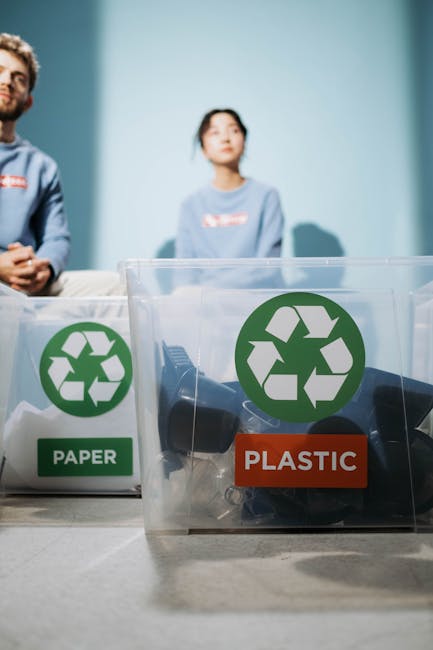
Recycling works best when materials are kept separate. Cardboard, paper, metal, some plastics, textiles, and certain electrical items all follow different routes. In a moving context, that means flattening boxes, removing obvious contamination, and grouping similar items together so they can be handled more efficiently.
For example, clean cardboard from packing can often be kept aside for recycling, while damaged bubble wrap or mixed material packaging may need a different route. Not glamorous, admittedly, but it matters.
4) Use the right vehicle space efficiently
An eco-conscious move is also about transport efficiency. A well-packed van with fewer trips means less fuel used and less wasted time. This is where smart stacking, reusable covers, and careful loading order make a difference. Heavy items go in first, fragile reusable items stay protected, and anything set for recycling is kept separate so it does not get mixed back in.
If access is awkward or time is tight, choosing the right vehicle and service can make greener moving much easier. A flexible man with a van in Ardleigh Green is often a practical option for smaller, sorted loads, especially when you are moving a mix of keepers, donations, and recyclable packing.
Key Benefits and Practical Advantages
There are some obvious environmental gains, but the everyday benefits are just as persuasive. A greener move tends to feel calmer, cleaner, and more organised. That matters when you are already dealing with keys, timelines, furniture, parking, and the usual moving-day chaos.
| Approach | What it helps with | Typical advantage |
|---|---|---|
| Reuse first | Furniture, homeware, clothing, books, small appliances | Less waste, more value, fewer items discarded |
| Recycling second | Cardboard, metals, textiles, some plastics, electricals | Better material recovery and tidier disposal |
| Mixed disposal last | Broken, contaminated, or unusable items | Handles what cannot realistically be reused |
Another practical benefit is speed. If sorting happens before moving day, the actual removal can run more smoothly. You are not making decisions in the doorway while somebody is waiting by the van and the clock is ticking. Been there, seen that.
You may also notice reduced packing costs. Fewer unnecessary items means fewer boxes, less wrapping, and less labour spent moving things you no longer want. For people in smaller homes or student properties, that can make a real difference. If your move is small but busy, the student removals page is worth a look for the kind of practical flexibility that suits compact loads.
There is also a less obvious benefit: a cleaner emotional reset. Letting go of unnecessary items before a move can make the new home feel more intentional from day one. You unpack what matters, not the leftover clutter of the last five years.
Who This Is For and When It Makes Sense
Eco-friendly removals are for almost anyone, but they are especially useful if you are already planning to declutter. That includes families downsizing, flat movers dealing with limited lift access, landlords preparing a property, office teams reducing old furniture, and students moving between terms or shared houses.
It also makes sense in very practical situations:
- you have several items in good condition that do not need to go to waste
- you are moving from a larger property into a smaller one
- you are replacing furniture and need the old pieces removed responsibly
- you have packaging, electronics, or mixed household items to sort
- you want a calmer move with less load and less rubbish to deal with later
For office moves, the reuse angle is especially strong. Desks, chairs, shelving, and storage units often still have a useful life if they are handled carefully. Our office removals service in Ardleigh Green is relevant if you are planning a workplace move with sustainability in mind.
Families with large furniture or awkward objects may also benefit from a broader service view. If you are moving bulky items rather than discarding them, it helps to understand the handling side too. The article on bulky item removals in Ardleigh Green covers some of the practicalities that come up again and again.
Step-by-Step Guidance
If you want a simple process that keeps you on track, use this sequence. It is straightforward, and that is exactly why it works.
- Walk through every room with three piles in mind. Keep, reuse/donate, recycle/dispose.
- Remove obvious waste first. Broken packaging, old flyers, worn-out batteries, damaged bits that cannot be salvaged.
- Isolate reusable items. Clean them, check them, and store them together.
- Flatten and sort packaging. Cardboard boxes and clean paper should not be mixed with food residue or general rubbish.
- Separate electrical items. Keep chargers, cables, and small appliances together so you can assess what still works.
- Label everything clearly. A few handwritten notes save a lot of confusion later.
- Plan the van load. Put moveables, donations, and recycling into their own sections where possible.
- Decide what needs specialist handling. Heavy, fragile, or awkward items may need extra care rather than a quick haul.
Here is a very real example. A couple in a two-bed flat may discover they have two bookshelves, one redundant desk, an old microwave, and six half-empty boxes of mixed bits and pieces. If they sort that properly a week in advance, they can donate the usable furniture, recycle the cardboard, and reduce the move to a clean, efficient load. If they leave it until the morning, it becomes one of those slightly sweaty, tense jobs where everyone talks faster than usual.
For general move planning, it can help to pair eco-sorting with timing and route planning. Our guide to a relaxed and stress-free move is useful if you want the wider move itself to feel less chaotic.
Expert Tips for Better Results
A few small decisions tend to produce outsized results. In our experience, the biggest wins usually come from preparation rather than heroic effort on the day.
- Check items before you pack them. If something is already cracked, stained, or incomplete, do not waste box space on it.
- Clean reusable items lightly. A wiped-down chair or dust-free shelf is far more likely to be accepted for reuse.
- Keep electricals together. Cables, remotes, plugs, and chargers have a habit of vanishing into separate boxes. Very annoying.
- Protect items worth reusing. Use blankets, covers, or paper wrap if the item would otherwise get scratched in transit.
- Work top to bottom in the home. Loft, cupboards, shelves, then floor level. It stops you circling the same room twice.
- Use the new home as a reset point. If something has not earned its place, let it go before it arrives.
If you are handling fragile items, packing method matters as much as recycling method. Our smart packing solutions piece offers practical ideas that complement a low-waste move very well.
A small personal touch here: one of the easiest wins is simply having a "donate" bag visible. If it is out of sight, it rarely gets filled. If it is waiting by the door, it suddenly becomes useful. Funny how that works.
Common Mistakes to Avoid
Eco-friendly removals sound simple, but a few familiar mistakes can undo the good work. The first is mixing reusable items with general rubbish. Once that happens, quality drops, and a lot of perfectly decent material becomes harder to pass on.
The second mistake is assuming every worn item is useless. A scuffed shelf, for example, may still have years left in it if it is structurally sound. Likewise, a sofa with minor wear may still be suitable for storage or donation depending on condition. If you are unsure about protecting or storing upholstered items, this sofa storage advice article helps explain how condition can be preserved.
Another common issue is overpacking boxes with "might need it" items. That usually creates a move full of uncertain clutter and slows everything down. Be honest. If you have not used it in years, chances are you will not miss it much.
Other mistakes to watch for:
- leaving sorting until the day before the move
- not checking whether an item is actually working before setting it aside for reuse
- forgetting to remove batteries or accessories from electrical items
- mixing clean cardboard with food-contaminated packaging
- moving broken furniture only to discard it later
There is also the risk of making the day too ambitious. If you try to declutter, recycle, donate, pack, and move in one rush, something usually slips. Better to stage it in sensible layers. Not glamorous. Very effective.
Tools, Resources and Recommendations
You do not need fancy kit to do this well, but a few basics help enormously. Strong markers, reusable bags, a box cutter, packing tape, labels, and a stack of sturdy boxes are enough for most homes. A dolly or sack truck can also be helpful for heavier items, especially if you are moving furniture between rooms or down stairs.
For heavier lifting, use common sense and do not try to muscle everything alone. Our advice on lifting heavy items without help and the related kinetic lifting principles article can help reduce the risk of strain. It is not just about strength; it is about leverage, balance, and not twisting at the wrong moment.
If you are dealing with specialist items, the right support matters. Pianos, for example, are not something to improvise with. Their weight, shape, and sensitivity make them a different category altogether. You can read more in why moving a piano is more complicated than you think and the matching piano removals service page.
Likewise, if you are handling appliances for reuse or storage, proper preparation matters. The guide on storing a freezer without damage is a good reminder that "reusable" also means "well prepared for storage or transport".
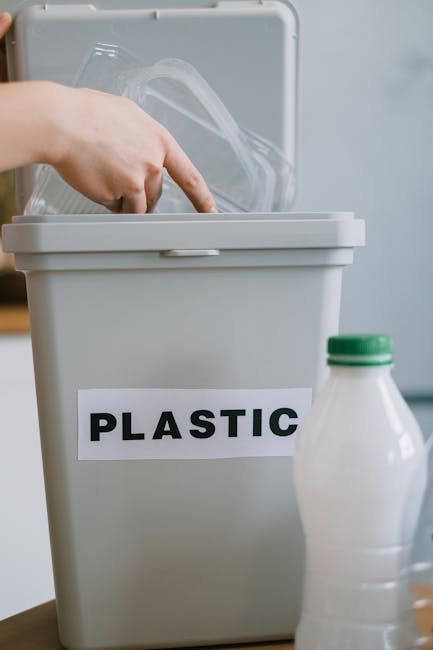
One practical recommendation: keep a clearly marked bag or box for items that are going to a new owner. It sounds tiny, but it stops donateable things being accidentally sealed into the wrong pile. That one little box can save a lot of grief.
Law, Compliance, Standards, or Best Practice
When you are moving waste or unwanted items in the UK, it is wise to follow responsible disposal practice rather than guessing. That means using recognised waste and recycling routes, not leaving items on the pavement, and not handing over materials to someone who cannot explain where they will end up. A simple rule of thumb: if a disposal arrangement feels vague, it probably is.
For householders, the biggest practical compliance point is duty of care in the everyday sense: know what you are giving away, what is going for recycling, and what is being disposed of. Keep receipts or notes where appropriate, especially for larger clearances or business moves. For offices and landlords, documenting what happened to furniture, electronics, and bulky items is a sensible best practice.
Electrical items deserve particular attention. Old cables, appliances, and device accessories should be separated from general waste whenever possible. Damaged or unsafe electricals should not be reused casually just because they still switch on. If something overheats, leaks, or looks compromised, err on the side of caution.
Safety matters too. Moving day creates trip hazards, lifting risks, and narrow-space problems. A responsible mover should have a proper approach to handling, vehicle loading, and protection of property. If you want a clearer sense of what that looks like in practice, our health and safety policy and insurance and safety information set out the kind of standards people should expect.
For customers, the best practice is fairly simple: ask how reusable items will be separated, how recycling is handled, and whether fragile or specialist items will be treated with extra care. That is not overthinking it. It is just sensible.
Options, Methods, or Comparison Table
There is no single right way to approach a greener move. The best method depends on volume, item type, access, and how much time you have. Here is a practical comparison.
| Method | Best for | Strengths | Watch-outs |
|---|---|---|---|
| DIY sorting and drop-off | Smaller loads, flexible schedules | Low cost, full control, simple decisions | Time-consuming, more lifting, easy to overpack the car |
| Donation-led declutter | Furniture and homeware in usable condition | Strong reuse value, less waste, feels worthwhile | Needs early sorting and acceptance checks |
| Recycling-focused move | Cardboard, mixed packaging, obsolete items | Reduces landfill and keeps materials separate | Requires careful sorting and contamination control |
| Professional removal with reuse planning | Households, flats, offices, bulky loads | Efficient loading, better handling, less stress | Needs clear instructions and early planning |
In real life, many moves use a combination of the above. You might donate furniture, recycle packaging, and keep the moving load tightly organised with a professional team. That blended approach is often the sweet spot.
If your move is time-sensitive, the flexibility of same day removals in Ardleigh Green can still fit an eco-friendly approach, provided the sorting decisions are made quickly and sensibly. And for local access or short-distance runs, the man and van option can suit a smaller, pre-sorted move very well.
Case Study or Real-World Example
Here is a realistic example from the kind of move people often make in Ardleigh Green. A couple moving from a first-floor flat had a mix of furniture, household bits, and far too many boxes of things they had not opened since the last move. Nothing dramatic. Just the usual build-up.
They started a week before moving day. One small table was donated because it was still solid and tidy. Two bookcases were kept. A broken lamp, several worn hangers, and old packaging were separated for recycling or disposal. A freezer item that had been stored for later use was checked properly before deciding whether it was worth moving at all. That avoided a pointless load.
By the time moving day arrived, the van was carrying only the belongings that genuinely mattered. The reusable items were protected with blankets and packed carefully. The recyclable material had already been removed. The move felt quieter, quicker, and less cluttered. A bit more effort at the start, yes. But the result was smoother, and nobody had to make rushed decisions at the kerbside while holding a half-full rubbish bag.
That is the pattern, really. Greener removals are rarely about grand gestures. They are about a dozen small choices that add up.
Practical Checklist
Use this before your move if you want reuse and recycling to stay under control.
- Walk each room and sort items into keep, donate, recycle, or dispose.
- Check that reusable items are clean, complete, and safe.
- Separate cardboard, paper, plastics, textiles, and electricals where sensible.
- Flatten boxes and remove obvious contamination.
- Label donation items so they do not get mixed back into the move.
- Protect furniture that is staying in use with covers or blankets.
- Set aside cables, chargers, and accessories with their matching devices.
- Book enough time for sorting before the van arrives.
- Think carefully before moving items that are already damaged or unused.
- Keep a simple note of what was donated, recycled, or taken away.
Expert summary: the most eco-friendly move is usually not the one with the most complicated system. It is the one where reuse is considered first, recycling is done properly, and unnecessary items are removed early enough to keep the move calm. Simple, really. Just not always easy.
If you are planning a move and want the practical side handled with care, you can also review our services overview and pricing and quotes information as part of your planning. It helps to know what fits your load, your timing, and your priorities before the boxes start piling up.
Conclusion
Eco-friendly removals in Ardleigh Green are not about chasing perfection. They are about making good decisions with the items you already have. Reuse what still works. Recycle what cannot be reused. Dispose of the rest responsibly. That approach reduces waste, clears space, and makes moving day feel a lot less overwhelming.
Whether you are moving a flat, a family home, a student property, or a workspace, the same principle applies: the earlier you sort, the easier the move becomes. And once you have seen how much calmer a well-planned, low-waste move can be, it is hard to go back.
Get a free quote today and see how much you can save.
Done properly, a greener move is not just better for the environment. It is better for your headspace too, and that counts for something.