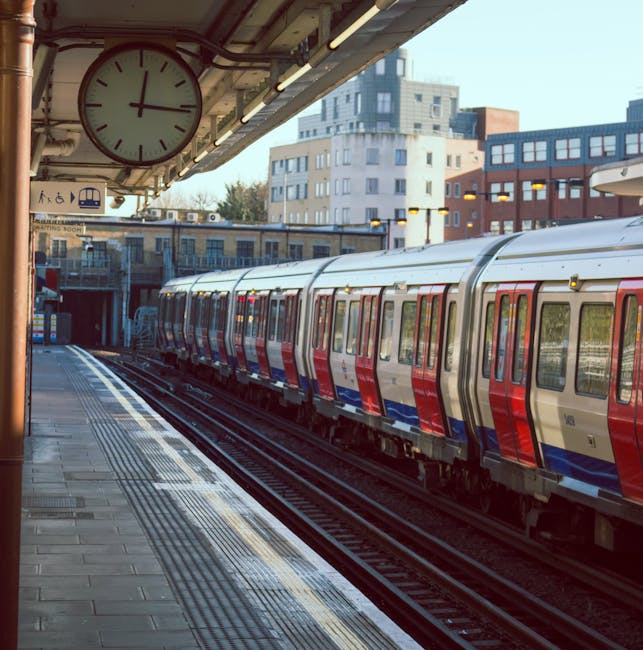
Hornchurch Station removals timing and loading tips: a practical guide for smoother local moves
If you are planning a move near Hornchurch Station, timing matters more than most people expect. Trains, school runs, commuter traffic, tight side streets, waiting restrictions, and awkward loading bays can all turn a simple job into a stressful one. That is exactly why Hornchurch Station removals timing and loading tips are worth getting right before moving day rolls around.
This guide breaks the subject down in plain English. You will see how to choose the best loading window, how to reduce delays, what to do around station access, and how to load a van safely so fewer items shift, scrape, or arrive with that heart-sinking wobble in the back. Truth be told, a well-timed move can feel almost calm. Almost.
Whether you are moving from a flat, a family home, or a small office near the station, the basics stay the same: plan around the local flow of traffic, load in the right order, and give yourself enough breathing room for the unexpected. That last part sounds obvious. People still forget it all the time.
- Why timing and loading tips matter near Hornchurch Station
- How the process works on moving day
- Key benefits and practical advantages
- Who this guide is for
- Step-by-step moving guidance
- Expert tips for better results
- Common mistakes to avoid
- Tools, resources and recommendations
- Law, compliance, standards and best practice
- Options and comparison table
- Real-world example
- Practical checklist
- Frequently asked questions
Why Hornchurch Station removals timing and loading tips Matters
The area around Hornchurch Station has the kind of movement patterns that can make a move easy or awkward depending on the hour. Commuter peaks, school traffic, busier junctions, and people dropping off or collecting passengers all affect how quickly a van can stop, load, and pull away. If you have ever tried to carry a sofa while a car is waiting behind you and a passer-by politely asks, "Are you nearly done?" you already know the feeling.
The reason timing matters is not just convenience. Good timing can reduce double-handling, prevent missed loading slots, lower stress, and help protect heavy furniture from being carried longer than necessary. It can also limit the chances of awkward parking decisions, which is where a surprising number of delays begin.
Loading tips matter just as much because a move is really a sequence of small decisions. What goes in first? What should stay near the back doors? Which items need a blanket, strap, or upright position? Get those decisions right and the whole job tends to feel more controlled.
Expert summary: near a station, moving well is not about rushing. It is about choosing a sensible time window, planning for access, and loading in a way that keeps the van stable and the team moving without unnecessary backtracking.
There is also a simple human side to this. On moving day, people are tired, keys are in someone's coat pocket, and somebody usually remembers one last drawer of bits after the van has already been packed. Better timing gives you a buffer for those moments instead of turning them into a scramble.
How Hornchurch Station removals timing and loading tips Works
At a practical level, the process comes down to three linked parts: when you load, where you load, and how you stack the van. If one part is off, the others become harder.
1. Choose the right time window
For local moves near the station, earlier is usually safer than later. That does not mean you have to start before dawn and frighten the neighbours with a hand trolley. It means choosing a slot that avoids the busiest overlap of trains, school traffic, and general weekday rush. Mid-morning can be calmer than early peak times, while some afternoons are easier than others depending on your street and parking position.
If you are moving on a Saturday, keep in mind that leisure traffic and shopping trips can change the pattern. On a Sunday, it may look quiet until you realise you have arrived just as a family brunch crowd is also heading out. Local streets can be funny like that.
2. Set up the loading point properly
A good loading point saves time before the first item even leaves the property. The best setup is usually the shortest sensible carry route between the front door and the vehicle, with enough space to turn safely and enough organisation to keep boxes and furniture separate. If the property sits on a narrow road or shared access, the loading plan may need to be tighter and more deliberate.
3. Load by weight, shape, and fragility
Loading a removal van is a bit like fitting a puzzle together, except the pieces can get scratched, crushed, or tipped. Heavy items typically go in first and low down. Sofas, mattresses, and wardrobes are often secured next. Fragile boxes, lamps, mirrors, and loose household items usually sit above or away from heavy pressure points.
The aim is not perfection for its own sake. The aim is stability. If the load can move, it probably will move. A corner tilt on a short trip might not seem dramatic, but a few jolts on a roundabout can change that. You know the sort of thing.
4. Allow time for the unexpected
There is nearly always one surprise: a key handover delay, an awkward mattress that needs a second attempt, a parking issue, or a missing screw bag for a dismantled bed. A realistic schedule builds in slack. Without it, even a small issue can push the whole day off balance.
Key Benefits and Practical Advantages
Good timing and organised loading are not just about making the move feel nicer, although they certainly do that. They bring a few very practical advantages that are easy to notice once the job starts.
- Fewer delays: You spend less time waiting for traffic to thin out or for access to clear.
- Safer lifting: When the plan is clear, nobody has to rush a heavy lift.
- Better item protection: A well-packed van reduces knock-on damage and shifting.
- Lower stress: There is less chaos, fewer repeated trips, and more confidence.
- Better use of labour: The team stays focused rather than constantly reshuffling the load.
One overlooked benefit is decision quality. When people are not under pressure, they pack more logically. That means fewer "Where did we put the kettle?" moments at the other end. Not all moves can be serene, but they can be sane.
If you are comparing different ways to move, timing discipline is one of those quiet things that separates a decent move from a messy one. It is not glamorous, but it works.
Who This Is For and When It Makes Sense
This advice is useful for anyone moving in or around the station area, but it becomes especially important in a few common situations.
Flat movers and apartment residents
Shared entrances, stairs, lifts, and limited parking make timing critical. If multiple households use the same access point, a short window of clear space can be a real advantage.
Families in semi-detached or terraced homes
These moves often involve more boxes, more furniture, and more time at the kerbside. That means better staging and a more careful load order.
Small office or shop relocations
Businesses near Hornchurch Station usually need to reduce downtime. Early starts and efficient loading can help you clear one site and settle the next without dragging the disruption out all day.
You might also need this approach if you are moving just a few large items, such as a wardrobe, freezer, piano, or bulky sofa. Large objects are where loading order matters most. One badly placed item can complicate the whole van.
If you are unsure whether a small move still needs planning, the answer is usually yes. Small jobs can be deceptively fiddly. Sometimes they are the ones that go sideways because people assume they will be "quick enough".
When it makes sense to book earlier
- When parking is tight near the property
- When access is shared with neighbours or businesses
- When you have fragile or high-value items
- When your move has to fit around a strict key handover
- When you want to avoid train-time congestion around the station
Step-by-Step Guidance
Here is a straightforward way to plan the day so it does not feel like a jumble of boxes and crossed fingers.
Step 1: Map the loading route
Walk the route from the front door to the van. Look for steps, narrow gaps, low branches, wet paving, tight corners, and anything that could slow a trolley or make a carry awkward. If the pavement is uneven or the road has a shallow kerb, adjust accordingly. A route that looks fine in your head can feel very different with a fridge in your hands.
Step 2: Decide the loading order before the van arrives
Separate items into broad groups: heavy, large, fragile, and last-off. Keep essentials such as chargers, documents, medication, snacks, and a kettle box aside if you want to access them quickly later. This small step saves a ridiculous amount of rummaging.
Step 3: Stage items near the exit
Stack boxes by room, but do not block the doorway. Put bulky items where they can be lifted safely, not where they create a bottleneck. If there are several people helping, assign one person to keep the staging area tidy. It sounds simple. It is simple. But it makes a difference.
Step 4: Load the largest stable items first
Large furniture usually forms the base of the load. Mattresses, flat-packed panels, tables, and wardrobes can create a safer structure if they are secured properly. Heavy boxes should stay low. Fragile boxes should not be buried under weight.
Step 5: Use straps, blankets, and padding
Blankets protect against scuffs. Straps help keep the load from sliding. Padding is useful where edges meet or where objects could rub during braking. If something has a painted surface or delicate finish, give it more protection than you think it needs.
Step 6: Check balance and access before setting off
Before the doors close, take a final look. Can the load shift? Is anything leaning? Are the items you need first at the back or buried under a mountain of bags? A two-minute check now can save twenty minutes later.
And yes, somebody always says "It'll be fine" at this point. Sometimes it is. Sometimes it really is not.
Expert Tips for Better Results
In practice, the best moves are rarely the fanciest. They are the ones where the team works in a steady rhythm and nothing important is left to chance.
Keep the heaviest items closest to the van floor
This helps with stability and reduces the chance of lighter boxes being crushed. It also makes the load easier to unpack in reverse order.
Break the move into short stages
If you try to do everything at once, the day can become tangled. Stage one: clear the access. Stage two: load heavy furniture. Stage three: fill around it with boxed items. Stage four: secure and check. Nice and simple, though not always easy.
Use labels that actually help later
"Kitchen - glass" is better than "Misc." "Open first" is better than "Box 12." Future-you will be grateful, trust me. When the kettle and mugs are easy to find, the whole arrival feels more settled.
Leave awkward items for the right moment
Long mirrors, bikes, lamps, and oddly shaped storage pieces often load best when the van is already partly filled. That way you can use remaining gaps efficiently instead of forcing them into the wrong position.
Think about weather and footing
A damp morning, a slick pavement, or a bit of drizzle can change how quickly people move. Gloves, door mats, and a dry cloth by the entrance can all help more than you might expect. Small thing, big payoff.
Use a "last out, first in" mindset for essentials
If you need tools, bedding, or a box of daily essentials straight away, pack them so they can be reached easily at the other end. This keeps the first night far less chaotic. That matters more than people admit.
If you are working with a professional team, ask how they prefer to sequence the load. A good crew will usually have a system, and it is worth following. They have probably seen enough moving days to know where the trouble spots are.
Common Mistakes to Avoid
A lot of removal problems are surprisingly predictable. The good news is that they are also avoidable.
- Booking too close to busy travel times: Near a station, this can create avoidable delays before loading even begins.
- Starting without a route plan: If you do not know where large items are going to travel, you lose time and energy.
- Overfilling boxes: Heavy boxes are harder to carry and more likely to split.
- Mixing fragile and heavy items: This is one of those mistakes that seems harmless until it is not.
- Leaving key items until last: Tools, documents, and bedding should not be buried somewhere you cannot reach them.
- Ignoring parking realities: A van that cannot stop safely is a van that slows everything down.
One classic mistake is assuming the move will "just happen" once the van arrives. It rarely does. A move is a live process, and the people doing it will usually be happier if the plan is clear from the start. That is not being fussy; that is just common sense.
Tools, Resources and Recommendations
You do not need a warehouse full of gear to move well, but a few basic tools can make the job smoother and less nerve-wracking.
- Removal blankets: Useful for protecting furniture and painted surfaces.
- Straps and ties: Help secure heavy or tall items in the van.
- Furniture sliders or a sack truck: Handy for reducing strain on the carry.
- Strong tape and labels: Keep boxes closed and rooms organised.
- Protective wrap: Good for mattresses, soft furniture, and delicate edges.
- Torches or phone lights: Useful for darker hallways, basements, or side returns.
If you want extra support, services such as packing and unpacking services can help reduce the pressure before and after moving day. For larger homes or more involved jobs, looking at house removals may be the better fit. If you are moving business premises, office removals and office relocation services are the more relevant route.
For people who only need a smaller vehicle and a flexible local move, options like man and van or man with van can be a practical choice. If you need to compare costs and service scope, have a look at pricing and quotes. It is a sensible place to start before you lock in a date.
If access is especially tricky, it can also help to read locally relevant guidance such as the Hornchurch Station moves quick man with van tips article. That kind of detail is useful when you are dealing with station-side traffic and a narrow loading window.
Law, Compliance, Standards, or Best Practice
For most household moves, the main compliance issues are practical rather than legal drama. You still need to think about safe loading, considerate parking, access rights, and whether your move could affect neighbours, nearby businesses, or pedestrians.
On public roads, you should always avoid blocking access, double parking in a way that creates danger, or leaving the vehicle in a position that could be unsafe for others. Around station areas, courtesy matters as much as efficiency. A move that blocks a footpath or creates confusion for people passing through can quickly become unpopular.
For removals companies, health and safety standards are not just paperwork. They cover safe lifting, vehicle loading, securing items, and reducing trip hazards. If you are hiring help, it is reasonable to ask how items will be protected, whether the load will be secured, and what happens if access conditions change on the day. That is fair enough.
If your move involves shared access, leasehold rules, or building management requirements, check them early. Some properties have moving time windows, lift booking arrangements, or rules for protecting communal areas. Better to know in advance than to turn up with a sofa and a problem.
It is also sensible to think about insurance and item protection. Not every item needs special handling, but some do. For more on that, the page on insurance and safety explains the general approach, while the health and safety policy gives a useful sense of the standards expected. If you are planning a more environmentally conscious move, recycling and sustainability is also worth a look.
Options, Methods, or Comparison Table
Different moves need different approaches. The best timing and loading method for a one-bedroom flat will not always suit a house move or a small commercial relocation. Here is a simple comparison to help you think it through.
| Move type | Best timing approach | Loading style | Typical challenge |
|---|---|---|---|
| Small flat move | Earlier morning or mid-morning | Fast, compact load with staged boxes | Stairs, narrow access, limited parking |
| Family house move | Allow a broader window | Layered load with furniture first | Volume, mixed item sizes, longer carry times |
| Office move | Outside peak business hours where possible | Sorted by department or room | Minimising downtime and keeping equipment organised |
| Single large item move | Any quieter access window | Protective, item-specific loading | Shape, weight, and awkward handling |
The table is only a guide, of course. Real streets do not behave like neat tables. But it does help to match your plan to the job instead of copying a one-size-fits-all approach.
If you are still deciding what sort of service you need, browsing removal services, removal company, or removal companies can help you compare scope and support levels. Sometimes that alone clarifies the decision.
Case Study or Real-World Example
Picture a typical Hornchurch Station area move: a two-bedroom flat with a tight front approach, a shared entrance, and a van that needs to park carefully without blocking neighbours. The move is booked for late morning, after the main commuter rush but before the afternoon starts to build again.
The team arrives, checks the access, and immediately spots that one large wardrobe will be tricky through the hallway unless it is angled carefully. Rather than forcing it, they clear the route, remove a door where sensible, and load the wardrobe first so it can stand safely against the van wall. Boxes marked "kitchen" go in later, grouped together and kept accessible. Heavy books stay low. A mirror and lamp are wrapped and padded near the top where they will not be crushed.
What made the move work was not speed alone. It was timing, patience, and a good load order. The whole job stayed controlled because the team did not try to win every minute. They gave themselves just enough space to do it properly. That is often the difference between a decent move and a day full of little setbacks.
At the end, the customer had the essentials box to hand, the furniture stayed protected, and there was no panicked search for the kettle. Small victory? Absolutely. But small victories make moving day feel far less brutal.
Practical Checklist
Use this checklist before you start loading. It keeps the day grounded.
- Confirm the moving time window and check likely local traffic patterns
- Walk the loading route from property to vehicle
- Reserve or check parking access if needed
- Set aside essentials for quick access at the new place
- Label boxes by room and priority
- Pack fragile items with extra protection
- Prepare blankets, straps, tape, and a trolley if needed
- Load heavy items first and keep them low
- Leave a clear space for items you will need last at the old property
- Do a final stability check before setting off
Quick reminder: if the plan feels a bit rushed, slow it down. A careful five-minute pause can save you a half-hour headache later.
Conclusion
Hornchurch Station removals timing and loading tips are really about control. Not perfect control, because moving rarely gives you that. Just enough control to keep the day moving in the right direction, protect your belongings, and avoid the avoidable stress that local access issues can create.
If you choose the right time, stage the load properly, and think a step ahead, even a busy station-area move can feel manageable. That is the big lesson here. Keep it simple, keep it organised, and do not leave the hard choices until the van is already at the kerb.
And if you are weighing up whether to handle the move yourself or bring in help, look at your access, the amount of furniture, and how tight the timing really is. Sometimes the smartest move is the one that gives you a calmer morning and a cleaner finish. Honestly, that counts for a lot.
Get a free quote today and see how much you can save.
Frequently Asked Questions
What is the best time of day for removals near Hornchurch Station?
In many cases, mid-morning is a sensible starting point because it often avoids the busiest commuter overlap. That said, the best time depends on your exact street, parking situation, and whether schools or local traffic patterns affect access.
How long should loading take for a local move?
It varies a lot. A small flat can load fairly quickly if everything is staged well, while a larger house move may take considerably longer. Access, stairs, and parking all change the picture, so it is better to plan generously than to assume it will be over in a flash.
What should go into the van first?
Usually the heaviest and most stable items go in first, because they form the base of the load. Think wardrobes, sofas, mattresses, and sturdy furniture before lighter boxes and fragile items.
How do I stop items moving around in the van?
Use straps, blankets, and sensible stacking. Heavy items should be low and snug against the van wall, with gaps filled carefully rather than left open. If something can slide, it may well do so once the vehicle turns or brakes.
Do I need special planning for a move on a Saturday?
Yes, it is worth considering. Saturdays can be busy for different reasons, even if commuter traffic is lighter. Local shopping, visitors, and general weekend movement can all affect access.
What if parking near my property is tight?
Plan for the parking issue before moving day if possible. The loading route, vehicle position, and carry distance all need to be realistic. If the van cannot stop safely, the whole job slows down.
Should fragile boxes be loaded last?
Usually, yes, or at least placed where they will not be crushed. They often go above heavier items or into a protected section of the load so they are easy to identify and less likely to take impact.
How can I make moving day less stressful?
Label boxes clearly, pack an essentials bag, and decide the loading order before the van arrives. A little planning goes a long way. It sounds almost too simple, but that is often what works.
Is it better to hire a man and van or a full removals service?
It depends on the size and complexity of the move. Smaller jobs and short local moves may suit a flexible vehicle service, while larger homes or office moves can benefit from a fuller removals team. Comparing the job size with the support you need is the easiest way to decide.
What items need extra care during loading?
Items like mirrors, glassware, televisions, pianos, freezers, and bulky upholstered furniture usually need more thought. Some can be moved safely with the right protection, but they should not be treated like ordinary boxes.
Can a move near the station be done quickly without cutting corners?
Yes, but only if the timing and access are planned properly. Quick does not have to mean messy. In fact, a well-organised move is usually faster because nobody is wasting effort undoing mistakes.
Where can I find more help with planning the move?
You can start with general moving support such as removals, home moves, or man and van removals. If you need more practical guidance on local access and move preparation, those pages are a useful next step.
Moving near Hornchurch Station does not have to be a headache. With the right timing, careful loading, and a bit of patience, it can feel surprisingly manageable, and that is a very good place to be.