Havering Council van permits: Ardleigh Green moving rules
Posted on 12/07/2026
Moving house in Ardleigh Green sounds straightforward until the van arrives, the street feels tighter than you remembered, and somebody realises the bay outside is not quite free for loading. That is where Havering Council van permits: Ardleigh Green moving rules become useful. They help you plan where the vehicle can stop, how long it can stay, and what to do if your move sits in a controlled parking area or a restricted street. It is not the glamorous part of moving, to be fair, but it can be the difference between a calm morning and a stressful delay that drags on all day.
In this guide, you will get a plain-English explanation of how local van permits and moving rules usually work, why they matter, what to check before moving day, and how to avoid the common mistakes that cost time. If you are already planning the rest of the move, it can also help to look at a relaxed, stress-free moving approach and parking permit delays in Ardleigh Green removals so the logistics fit together properly.
Short version? A van permit is often less about bureaucracy and more about keeping the move moving. Which is exactly what you want when there are boxes by the front door and a kettle that has already been packed by mistake.
Why Havering Council van permits: Ardleigh Green moving rules Matters
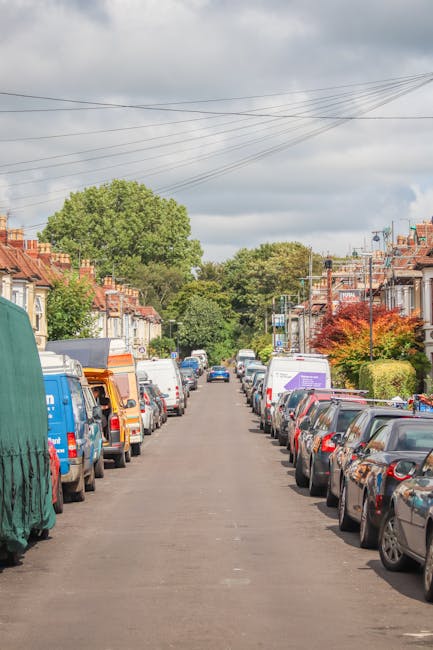
Ardleigh Green sits in a part of London where parking can be straightforward one minute and awkward the next. Residential streets, junctions near busier routes, school runs, commuters, and narrow frontages all influence whether a removal van can stop safely and legally. If a vehicle is parked in the wrong place, the move may slow down, attract a penalty, or end up needing a second attempt. None of that is ideal when you are paying people by the hour or trying to get keys before the afternoon rush.
The point of understanding the rules is not just to stay on the right side of Havering Council parking controls. It is also to make the move smoother for the people doing the lifting. A van parked a short distance away can mean longer carries, more fatigue, and more risk of damage. If you are shifting a sofa, a freezer, or even something awkward like a piano, that extra walking distance matters more than you might think. For those kinds of items, you may find it helpful to read why moving a piano is more complicated than people expect and bulky item removals for wardrobes and appliances.
There is also a trust angle here. If a mover understands local restrictions, they are likely to plan the job properly rather than improvising outside your front gate. That is reassuring. You want someone who has thought about the parking before the first box is lifted, not after.
Expert summary: In Ardleigh Green, van permits and parking rules are not a side issue. They are part of the moving plan, and in some cases they are the part that decides whether the move runs on time.
How Havering Council van permits: Ardleigh Green moving rules Works
Every move is slightly different, but the basic idea is simple: if your removal van needs to stop in an area with parking restrictions, loading limits, bays, single yellow lines, double yellow lines, or controlled parking controls, you need to confirm whether stopping is allowed and whether any permit or exemption is required. Sometimes loading is allowed for a limited period. Sometimes a separate permit or dispensation is needed. Sometimes there is no permit route at all and you simply need to plan another legal stopping point.
For a local move, the process usually comes down to a few questions:
- Will the van be parked, or only loading and unloading?
- Is the street controlled by time restrictions or permit bays?
- How long will the vehicle realistically need to stay?
- Will the property access require the van to be close to the front door?
- Is there space for a larger vehicle, or only a small van?
That last point is important. A man with a van in Ardleigh Green may be a better fit for short, flexible jobs, while a larger removal van can suit bigger households but needs more careful parking planning. If you are moving from a flat, the access challenge can be just as important as the parking itself, especially in buildings with stairs or tight landings. In that kind of job, staircase and narrow entry solutions for RM11 flats is a useful companion read.
In practice, the moving team should check the street layout, the likely arrival window, and any loading rules before they commit to a vehicle size or route. That sounds basic. It is basic. But it is also the bit people skip when they are in a hurry.
Key Benefits and Practical Advantages
Using the right van permit approach, or simply planning around the restrictions properly, gives you a few clear advantages. The obvious one is avoiding tickets or enforcement issues. The less obvious one is reducing the overall strain of moving day. Once the van is as close as it can legally get, your crew spends less time walking back and forth and more time actually moving your things.
- Less waiting time: The van can start loading sooner, which helps keep the schedule intact.
- Lower physical effort: Shorter carries reduce fatigue and the risk of dropping items.
- Better protection for furniture: Fewer unnecessary trips mean fewer bumps, scrapes, and awkward corners.
- Cleaner planning: You can coordinate lift access, keys, and packing more confidently.
- More predictable costs: Less delay often means fewer unexpected hours added to the job.
There is a practical side for the customer too. If you have already decluttered and packed properly, the parking setup becomes the next big lever for efficiency. That is why many people pair permit planning with pre-move declutter tactics and smart packing solutions. The result is simple enough: fewer boxes, fewer trips, fewer headaches.
And let's be honest, if you can avoid circling the street in a van while someone upstairs is asking where the bedding went, that is a win.
Who This Is For and When It Makes Sense
These rules matter for more people than you might expect. If you are moving from a terraced house with limited frontage, a flat near a busy junction, a shared property with narrow access, or any home where stopping space is tight, permit and parking planning should be on your list from day one. It also matters if your move involves time-sensitive access, such as key handover windows or an office move that has to happen outside working hours.
Typical situations include:
- House moves on streets with permit bays or controlled parking.
- Flat removals where the van cannot sit directly outside for long.
- Student moves with fast loading and unloading windows.
- Office moves that need early morning or evening access.
- Bulky-item jobs where larger furniture needs a longer stopping time.
If your move is small and you are using a compact van, the permit issue may be lighter. If the job involves a freezer, wardrobe, bed frame, or anything heavy and awkward, the parking plan starts to matter much more. The same applies if you are thinking about storage before or after the move. For those scenarios, take a look at storage in Ardleigh Green and how to store a freezer without damaging it.
If you are not sure whether the rules affect your street, treat it as a yes until you check. That is the safer approach. A five-minute assumption can become a half-hour problem very quickly.
Step-by-Step Guidance
Here is a sensible way to handle it without overcomplicating things.
- Check the street and access first. Look at where a van can stop safely, whether there are yellow lines, bays, or signs, and whether the property entrance gives enough room for loading.
- Work out the move type. A small local job, a full house move, or a one-item collection all create different parking needs.
- Estimate how long loading will take. Be honest here. People often underestimate by a mile. If there are stairs, long carries, or lots of wrapping, build in more time.
- Confirm the vehicle size. Choose a van that fits the job but does not create needless access problems. Bigger is not always better if the street is tight.
- Plan for worst-case access. Ask yourself what happens if the nearest space is taken. Where will the van go instead?
- Prepare the property. Clear hallways, protect floors if needed, and make sure the first items out are easy to reach.
- Keep documents and contact details handy. If the move involves coordination with a landlord, building manager, or permit process, keep everything in one place.
- Recheck timing on the day. Traffic, school drop-off, or a delayed lift can all affect your arrival window. Build in a little breathing room.
A useful trick? Walk the route from the front door to the van before the loading begins. You can spot a low wall, uneven paving slab, or awkward gate latch before anyone is balancing a lamp and hoping for the best.
Expert Tips for Better Results
The people who do this work regularly tend to focus on small gains, because small gains stack up. Here are the habits that make the biggest difference.
- Book the right time of day. In Ardleigh Green, quieter windows often mean easier parking and fewer interruptions. If you need help thinking about timing, best times to book a man with van in RM11 is worth a look.
- Separate essentials early. Keep kettle, documents, chargers, and medications in one clearly marked bag so they do not disappear into the van.
- Use the front room as a staging area. Items can be lined up neatly before loading, which saves repeated trips through the house.
- Protect the awkward items properly. Sofas, beds, and instruments need more care than people often expect. Read how to protect your sofa in storage and creative ways to move a bed and mattress if these are on your list.
- Ask about loading sequence. Heavy items first is common, but only if it fits the destination access. A piano or freezer changes the order.
One practical note from the field: the smoothest moves usually happen when everyone knows where the van can stop before the first box is lifted. Sounds obvious, but it saves a surprising amount of faff.
If lifting is part of the job, be sensible about it. A quick refresher on lifting heavy items without help and the principles of kinetic lifting can help reduce strain. No heroics required.
Common Mistakes to Avoid
The same errors come up again and again, usually because the move is going fine until one small detail turns into a delay. Here are the big ones.
- Assuming loading is always allowed. A street that looks fine may still have restrictions at the time you need it.
- Choosing a van that is too large. Bigger vehicles can create access problems and may be harder to place near the property.
- Underestimating the time required. If you have stairs, narrow entries, or heavy furniture, loading almost always takes longer than expected.
- Leaving parking planning until the last minute. This is the most common one, and honestly the most avoidable.
- Forgetting about the destination. You need to think about both addresses, not just the one you are leaving.
- Failing to protect fragile items. If you are also moving electronics or appliances, pack them properly. A freezer needs different treatment from a box of books. For more on that, see storage essentials for freezers.
There is another quiet mistake: thinking that a permit solves everything. Sometimes it does not. You still need a sensible load plan, clear access, and a driver who knows how to position the van without blocking traffic. The permit is only one piece of the puzzle.
Tools, Resources and Recommendations
You do not need a shed full of equipment to get this right, but a few simple tools help a lot. A tape measure, a phone with notes, basic labels, furniture covers, straps, and a couple of good removal blankets go a long way. So does a printed checklist if you prefer paper. Many people still do, especially when the Wi-Fi is patchy and the hallway is full of bags.
Useful supporting pages on the same site include packing and boxes in Ardleigh Green, furniture removals in Ardleigh Green, and removal services in Ardleigh Green. If your move is bigger, the broader services overview can help you see what fits your situation.
For a smoother day overall, pair permit planning with practical prep. Two helpful reads are the complete checklist for a perfectly cleaned home and decluttering tactics before the move. A cleaner, less cluttered space is easier to load, easier to protect, and less likely to make you lose your mind at 7:15 in the morning.
Law, Compliance, Standards, or Best Practice
Parking and loading rules are shaped by local traffic regulation, road markings, and enforcement practices. The exact permission you need depends on the street, the time, the vehicle, and whether you are loading, unloading, or waiting. Because local arrangements can vary, it is sensible to verify the current rules for your specific address rather than relying on general assumptions.
From a best-practice point of view, a moving job should respect safe stopping distances, avoid blocking driveways or dropped kerbs, and allow pedestrians to pass without squeezing around the van. That is not just about courtesy; it is about safety and keeping the move efficient. It also helps to think about the property environment. If you are in a flat, use building rules as well as road rules. If you are near a busy route, be more conservative with timing. If you are dealing with larger household items, handle them in a way that reduces damage and injury risk.
In the removals trade, reasonable planning is the standard. That means understanding access, protecting property, using suitable lifting methods, and not guessing where a vehicle can go. If you want to know how the team approaches this side of the job, the health and safety policy and insurance and safety information are worth reading alongside the practical moving advice.
One more thing: if your move involves items you do not want to keep, think about responsible disposal or reuse before the van arrives. Eco-friendly removals in Ardleigh Green gives a sensible overview of reuse and recycling options. It is a better feeling than shoving everything into a corner and calling it a plan.
Options, Methods, or Comparison Table
Not every move needs the same approach. Here is a simple comparison that may help you decide what makes most sense.
| Approach | Best for | Main advantage | Main drawback |
|---|---|---|---|
| Small van with flexible stopping | Light moves, student boxes, a few furniture items | Easy to manoeuvre on tighter streets | May need more trips for larger loads |
| Standard removal van | Typical house or flat moves | Better capacity and better value for fuller loads | Needs more parking space and planning |
| Pre-booked permit or dispensation route | Restricted streets, longer loading windows | Helps avoid parking problems where allowed | Needs earlier planning and confirmation |
| Off-peak move timing | Busy roads or shared parking streets | Often easier access and less congestion | May not fit everyone's key handover schedule |
For some people, the best option is not a permit at all but a better time slot. For others, the key is simply using a van size that suits the street. If you need something faster, same-day removals in Ardleigh Green can be useful for urgent jobs, though the parking plan becomes even more important when time is tight.
Case Study or Real-World Example
Here is a realistic scenario. A couple moving from a flat in Ardleigh Green had a sofa, bed frame, freezer, and a few heavy boxes. Nothing dramatic. But the street outside their building had limited parking, and the nearest legal space was not directly outside the door. They assumed the van could just stop briefly while they loaded. On the day, the space they were hoping for was already taken, and the moving crew had to adjust quickly.
Instead of pushing on blindly, the driver parked where access was legal and workable, and the team changed the load sequence. The heavier furniture went first while the smaller boxes were staged close to the entrance. The freezer was protected and loaded carefully after the route was clear. It took a bit longer than planned, but the job stayed safe and orderly. No damage. No frantic last-minute arguing. Just a slightly longer morning and a relieved sigh when the door finally closed.
That is the real value of planning around the council rules and parking reality. Not perfection. Just fewer surprises.
If the move is especially awkward, such as a piano or a narrow stairwell, the same principle applies even more strongly. You can also explore piano removals in Ardleigh Green and flat removals in Ardleigh Green for more context on specialist access work.
Practical Checklist
Use this as a pre-move sanity check. It is simple, but it saves a lot of grief.
- Confirm whether the street has parking or loading restrictions.
- Check if the van can stop near the property safely and legally.
- Decide on the best van size for the load and road access.
- Estimate loading time with stairs, corners, and bulky items included.
- Prepare any permit, dispensation, or parking arrangement in advance if needed.
- Walk the route from property to vehicle before loading begins.
- Keep essentials separate from the main load.
- Protect furniture, mirrors, and appliances before they leave the house.
- Ask about timing if your move is near a busy route or commuter window.
- Have a fallback plan if the preferred parking space is taken.
If you are still in the sorting stage, a little prep now can make the permit side much easier later. Packing smart and cleaning thoroughly before the move both reduce last-minute pressure. That, more than anything, is what people remember afterward.
Conclusion
Havering Council van permits and Ardleigh Green moving rules may not be the most exciting part of your move, but they are one of the most practical. If you get the parking side right, everything else tends to fall into place more easily: loading is quicker, lifting is safer, and the whole day feels less chaotic. If you get it wrong, even a well-packed van can become a slow, frustrating puzzle.
The best approach is simple. Check the street, match the van to the access, allow enough time, and treat parking as part of the move rather than an afterthought. That mindset alone prevents most of the headaches people run into. And if you are juggling furniture, stairs, storage, or a tight deadline, a properly planned move will feel much lighter from the start.
Get a free quote today and see how much you can save.
Sometimes the calmest move is the one where the unglamorous details were handled early. The boxes still arrive. The kettle still goes missing for a bit. But the day feels manageable, and that is a very good place to be.